

SUKKOT DATES FOR 2025 & 2026
Sukkot Dates for 2026 – France and Israel
Everything You Need to Know About Sukkot (חג הסוכות)
Sukkot Dates for 2026 in France
Start of Sukkot 2026:
Monday, October 6, 2025, in the evening (at nightfall)End of Sukkot 2026:
Monday evening, October 13, 2025
Lighting the Candles – Sukkot 2026 (France)
First Day of Yom Tov – Sukkot
, Monday, October 6, 2025, before the start of the holidaySecond Day of Yom Tov – Sukkot (Diaspora)
Tuesday, October 7, 2025; lighting permitted from an existing flame
Sukkot Dates for 2026 in Israel
Start of Sukkot 2026 in Israel:
Monday, October 6, 2025, in the eveningEnd of Sukkot 2026 in Israel:
Monday evening, October 13, 2025
In Israel, Sukkot lasts one day less than outside of Israel.
Sukkot 2026 Sameach – Happy Holiday
Sukkot 2026: The Festival of Booths and Joy
Sukkot, also known as the Feast of Booths or the Feast of Tabernacles, is one of the most joyful holidays on the Jewish calendar.
It begins on the 15th day of the month of Tishrei, a few days after Yom Kippur, and lasts seven days (eight days outside of Israel).
The first two days (only one in Israel) are Yom Tov, during which work is prohibited, just as on Shabbat.
We light the candles, recite Kiddush, and then say the Hamotzi blessing, following the custom of dipping bread in honey, a symbol of sweetness and blessing.
The days in between are called Hol Hamoed Sukkot.
The final days are Shemini Atzeret and Simchat Torah, marked by dancing with the Torah and the Yizkor prayer for the deceased, a source of consolation and communal joy.
History and Origins of Sukkot
Sukkot commemorates the forty years during which the Children of Israel wandered in the desert after leaving Egypt.
At that time, they lived in temporary shelters called sukkot, symbols of divine protection and faith in God.
Under the sukkah, everyone is equal, sharing the same roof, the same table, and the same faith in God.
Sukkot Customs: The Four Species (Arba Minim)
Sukkot is marked by the mitzvah of the Four Species:
the Lulav (palm branch)
the Hadassim (myrtle)
the Aravot (willow)
The Etrog (citron)
They are waved together every day of the festival, except on Shabbat, and symbolize the unity of the Jewish people despite their individual differences.
In some communities, particularly Chabad, women also perform this mitzvah.
Meals under the sukkah are accompanied by Torah readings, the Birkat Hamazon recited together, and everyone may make their own Kiddush.
The Sukkah
Building the sukkah is one of the central commandments of Sukkot.
It must be covered with a roof made of natural materials that allows the stars to be seen, as a reminder of our dependence on God.
Throughout the festival, people eat there, spend time there, and, according to certain customs, sleep there.
Traveling During Sukkot 2026
Traveling as a kosher traveler during Sukkot 2026 is a particularly powerful spiritual experience.
Many choose Jerusalem, the central site of the celebrations during the time of the Temple, where the Kohanim offered the festival sacrifices.
Whether in Israel or at destinations offering kosher Sukkot vacations, this time of year is a chance to come together, build a communal sukkah, and fully experience the holiday—even when far from home.
Spiritual Meaning – Sukkot
Sukkot teaches us trust in God, simplicity, and unity.
Our homes are temporary, but the Torah and faith are eternal.
The Four Species remind us that every Jew has an essential place within the community.
A Teaching from Hasidism
In Hasidism, it is taught:
The lulav corresponds to the spine
The Hadassim correspond to the eyes
The Aravot correspond to the lips
The etrog corresponds to the heart
By waving the Four Species, we elevate the world and awaken our spiritual soul.
Some reach out to other Jews to help them fulfill this mitzvah, which is a source of blessing for all of creation.
Happy Sukkot
May this holiday be a source of joy, blessings, and spiritual strength for everyone.
Amen, may He grant it.
Rabbi S. Lun.
Article updated for Sukkot 2026
Sukkot 2025: From the evening of Monday, October 6, 2025, through Monday, October 14, 2025
Destination
Destination
Types of Trips

Sukkot Customs in Israel
Sukkot 2024 in Israel: The Feast of Tabernacles*—the most joyful of the Jewish holidays. (Feast of Booths)
Here is an overview of the main Sukkot customs in Israel.
Building the Sukkah
Reference in the Torah: Ba Sukkot, Tishrei 7: “You shall dwell in sukkot for seven days”—this is a verse written in the Torah specifically for Sukkot, in the parashah Emor, Vayikra, chapter 3, verse 2.
Building a sukkah is essential for living in it; it is a temporary hut that recalls the dwellings of the Israelites during their exodus from Egypt. In Israel, as soon as Yom Kippur ends, sukkahs can be seen popping up everywhere: on balconies, in gardens, on the roofs of buildings, and even on sidewalks. Sukkot are often festively decorated with garlands, fruit, religious images, and colorful ornaments. Families eat their meals there, entertain guests, and sometimes even sleep there.
Pilgrimage to Jerusalem
Sukkot is one of the biblical pilgrimage festivals during which Jews were commanded to travel to Jerusalem to offer sacrifices at the Beit Hamikdash during the Shalom Regalim (the Three Festivals), and this is especially true for Sukkot in Israel. Today, this tradition continues, and thousands of Jews flock to the Holy City of Jerusalem. A visit to the Kotel (Western Wall) is a highlight, where the faithful come to pray and wave the lulav and etrog, accompanied by the aravot and addassim.
Sim’hat Beit HaSho’eva
Sim’hat Beit HaSho’eva, ou « la joie de la cérémonie de la libation d’eau », à chaque fête juive il y a un rapprochement particulier à la nature et c’est important de pratiquer cette coutume ancienne commémorée par des célébrations joyeuses et des rassemblements communautaires.
En Israël, surtout à Jérusalem, des fêtes sont organisées dans les quartiers religieux, avec de la musique, des danses et des chants qui se prolongent tard dans la nuit. Nous même JBOOST organise des événements et des voyages cacher à Jerusalem et partout en israël.
Hoshana Rabbah
The seventh day of Sukkot is called Hoshana Rabbah: It is a day of intense prayer and supplication for rain (during the prayer, the Tephila Tal—which means “dew and rain”—is recited) in order to bless the prosperity of the coming year. In Israel, special ceremonies are held in synagogues, featuring processions in which the congregation circles the bimah (central platform) while holding the Four Species and chanting special prayers; it is customary to recite the Hallel, an ancient song filled with love for Hashem.
Sukkot and Nature
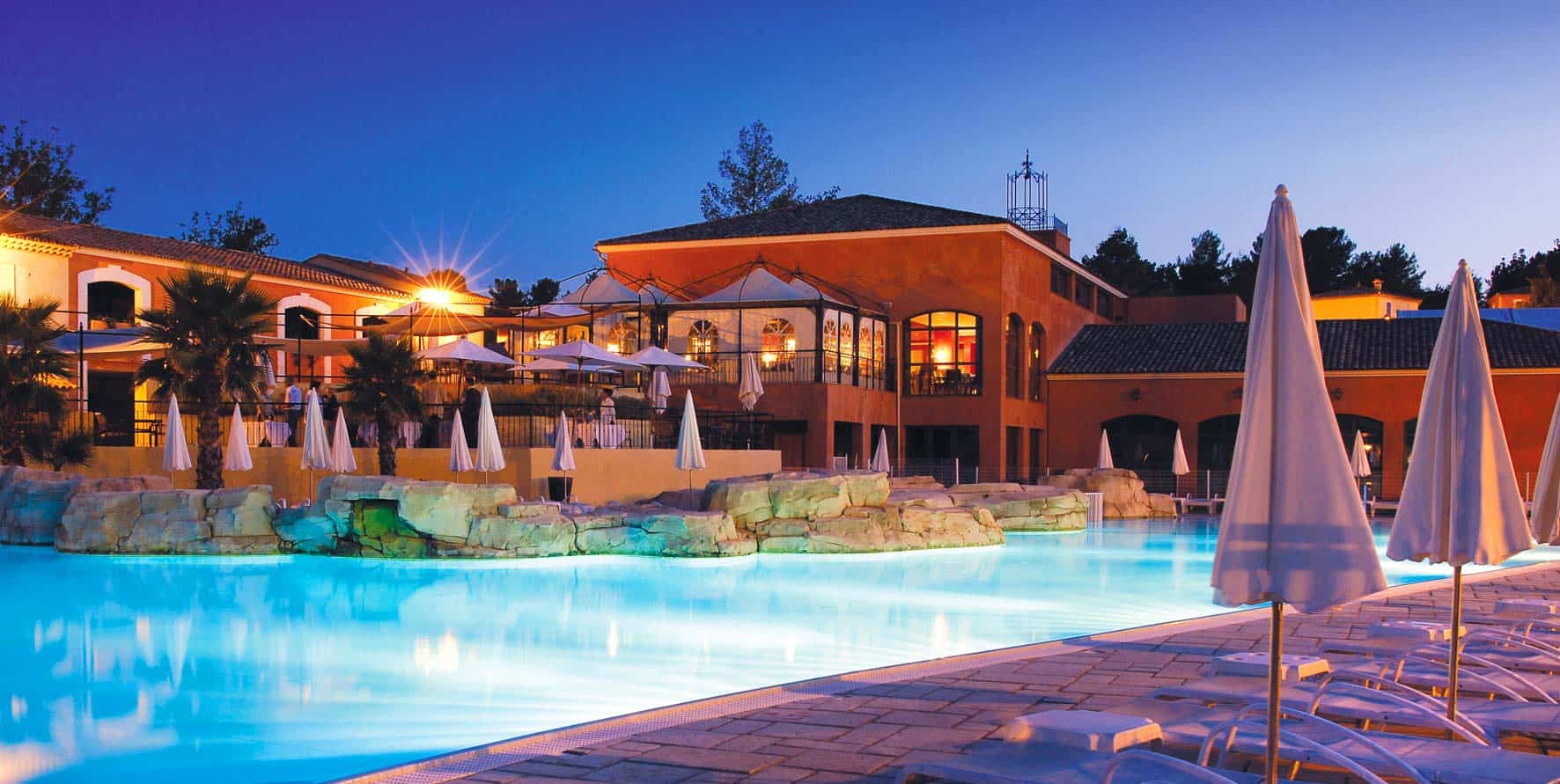
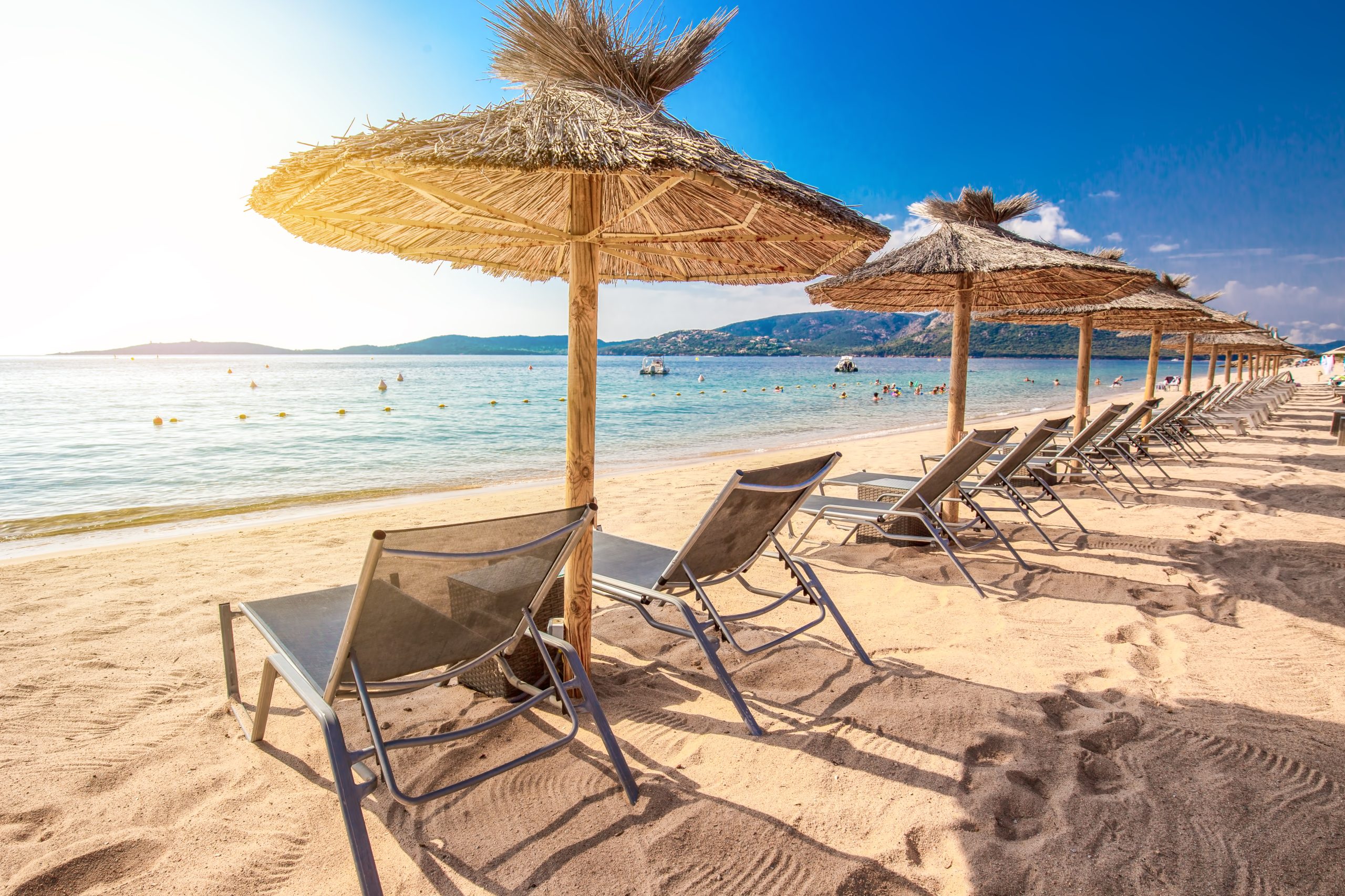
In Israel, many residents take advantage of the Sukkot holidays to travel and spend time outdoors. Reuniting with family during Sukkot—or, for many , the goal of treating themselves to a trip to a kosher resort for Sukkot— is a popular choice . Many hotels for Sukkot are featured on this page, so don’t miss out—enjoy your best Sukkot yet in Israel. National parks, nature reserves, and historic sites see an influx of families and groups who come to picnic, camp, and sometimes even set up portable sukkahs. This closeness to nature strengthens the connection between the Sukkot celebrations and an appreciation for God’s creation. In Israel, we’re lucky to be able to enjoy plenty of outdoor barbecues near the sukkahs—it’s truly a dream come true!
Community Celebrations During Sukkot
Sukkot in Israel is also a time of many community celebrations. Synagogues, community centers, and religious organizations host communal meals, children’s activities, Torah classes, and cultural events. The celebrations often take place in community sukkahs, creating an atmosphere of fellowship and sharing. Our goal is to introduce you to our consulting service at JBOOST Travel—a service dedicated to the Sukkot holiday. You’re welcome to visit either of our two offices to pick up brochures for kosher trips during Sukkot and around the world, particularly in Europe, as well as all trips to Israel.
Conclusion of Sukkot in Israel
Sukkot in Israel is a holiday marked by rich tradition and deep spirituality. The customs of building the sukkah, the use of the Four Species, pilgrimages to Jerusalem, the Simchat Beit HaSho’eva festivities, the Hoshana Rabbah prayers, trips into nature, and community celebrations make this time of year particularly joyful and meaningful. For Israelis, Sukkot is a special time to reconnect with their roots, strengthen family and community bonds, and celebrate the richness of their spiritual heritage. Come to Israel in large numbers to celebrate Sukkot together, for as we pray for the coming of the Messiah and for our prayer to be heard loud and clear, we have the mitzvah to pray at the Western Wall during Sukkot, just as the Kohanim used to celebrate it every year during Sukkot in Israel.
Sukkot 2025
- Easy navigation—we're here to help you find the perfect Sukkot vacation in 2025 & 2026:
– Sukkot dates
– Sukkot dates in Israel
JBOOST TRAVEL’S: Presents its selection of Sukkot 2025 vacations. Have a safe kosher trip, and happy holidays to everyone! חג סוכות שמח (Hag Sukkot Sameah) – Happy Sukkot.